

Connecting Training and Practice – A Milestone Partnership Between Sigma and Electric Power University
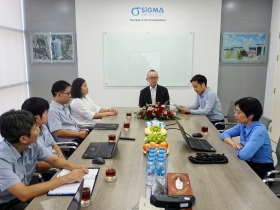
On the morning of March 26, 2026, as Hanoi transitioned from spring to summer—when the crisp chill gradually gave way to warm sunlight and a livelier pace of life—a remarkable event unfolded in Meeting Room A of Electric Power University (No. 235 Hoang Quoc Viet Str.) Sigma Engineering JSC and the University officially signed a Memorandum of Understanding (MOU), marking not just mutual agreement, but the beginning of a long-term journey bridging theory and practice, classrooms and construction sites.
A Handshake Carrying the Hopes of a Generation
The ceremony brought together representatives from both sides—people actively shaping the future of electrical and energy engineering talents. The atmosphere was not only formal but filled with expectation, as everyone understood that today’s handshake could translate into tomorrow’s career opportunities for hundreds or even thousands of students.
Representing Sigma, Mr. Duong Son Tung, Deputy General Director, spoke with the calm confidence of someone with years of experience in technical projects and renewable energy management. He didn’t rely on grandiose words, but addressed a reality shared by both the industry and academia: the gap between theory and practice.
He emphasized that in a fast-growing technical infrastructure and renewable energy landscape, engineers need more than foundational knowledge—they must adapt quickly, solve problems creatively, and uphold professional discipline. This is why Sigma chose to collaborate with Electric Power University—a prestigious institution with a long tradition of training skilled engineers.
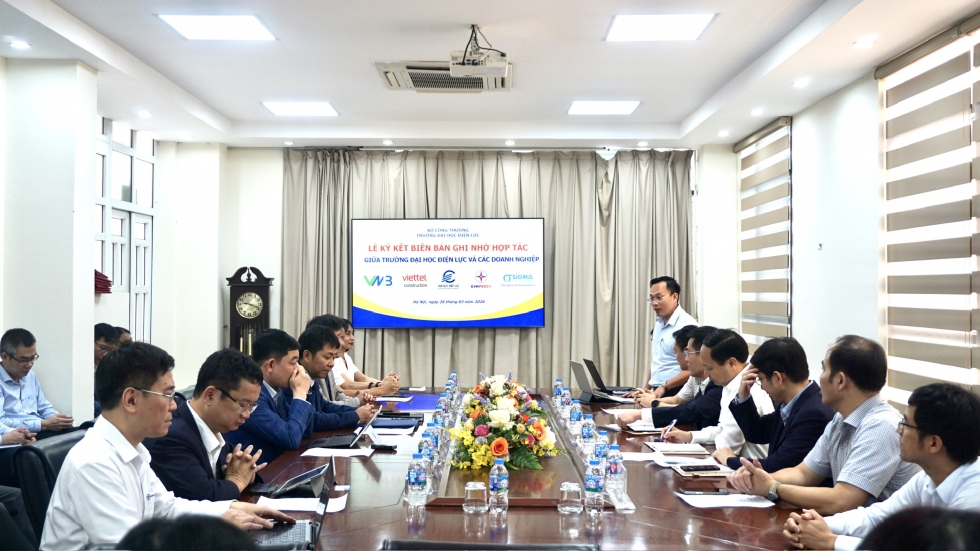
The signing ceremony of the Memorandum of Understanding between Electric Power University and partner enterprises
One Agreement – Multiple Layers of Meaning
On the surface, an MOU is simply a cooperation document. At a deeper level, however, it represents a two-way commitment—where each side not only receives but also contributes.
For Sigma, this is a strategic step toward proactively developing a future workforce. More importantly, it is also a way of “giving back” to the education system through practical experience accumulated from numerous large-scale projects.
The three pillars of cooperation may not be new, but the approach is grounded and practical:
- Bringing students beyond the “safe zone” of lecture halls: Site visits and internships at construction projects—where dust, noise, and time pressure are real—will become invaluable classrooms that no textbook can replicate.
- Integrating enterprises into the training process: Moving beyond symbolic exchanges, Sigma commits to directly sharing real processes, standards, and lessons learned—often at the cost of time and resources.
- Creating clear career pathways: Instead of uncertainty after graduation, students can envision a concrete trajectory—where today’s efforts can translate into tomorrow’s career opportunities.
“We are not looking for perfect candidates on paper, but for individuals capable of growing in real-world environments,” Mr. Tung emphasized—a concise message that resonates strongly with today’s generation of students.
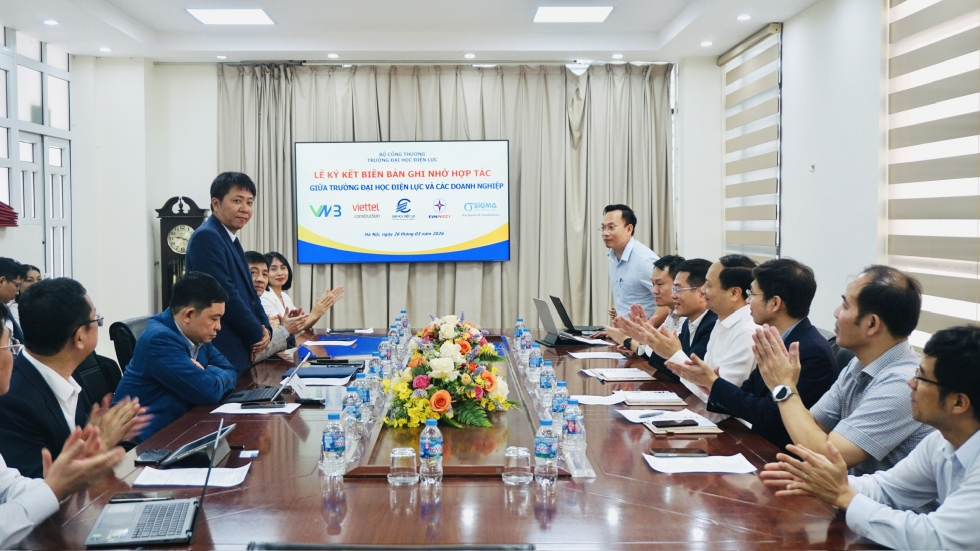
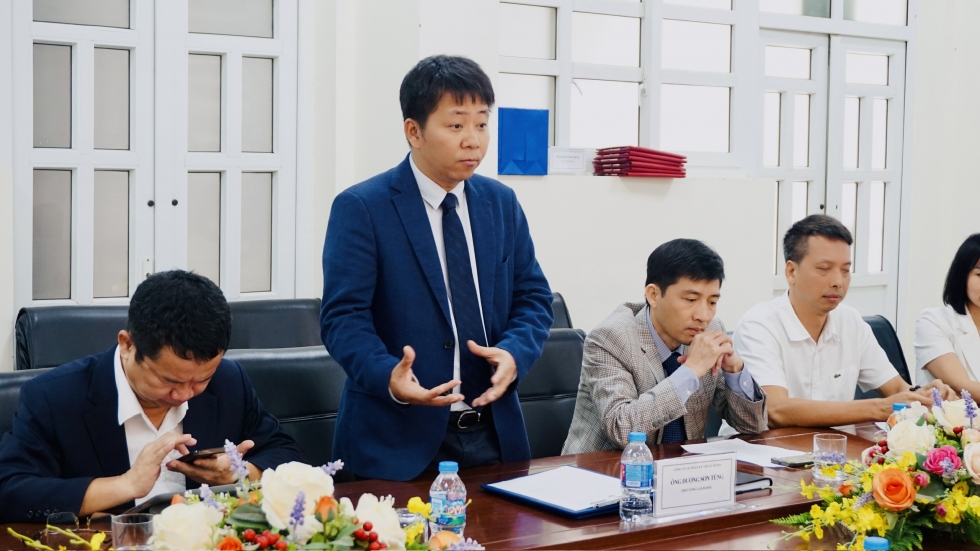
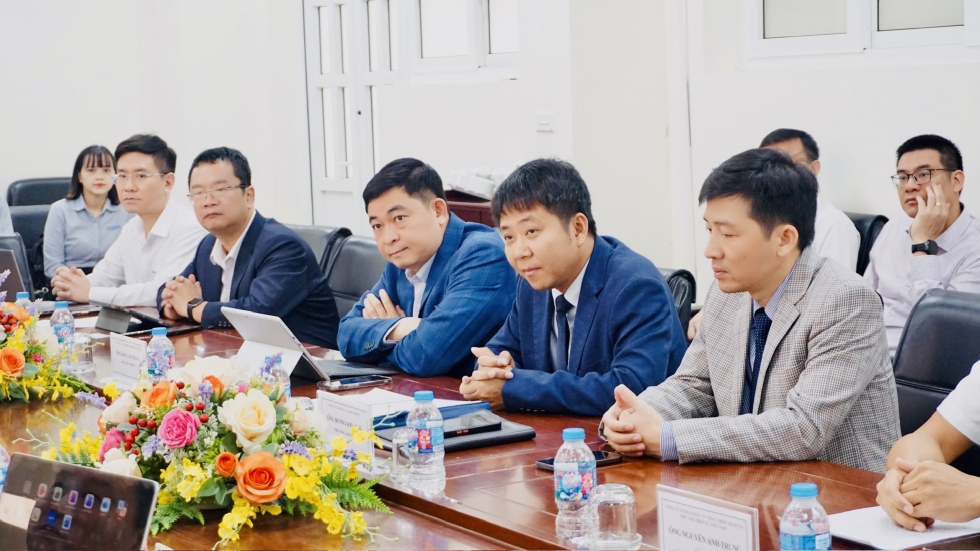
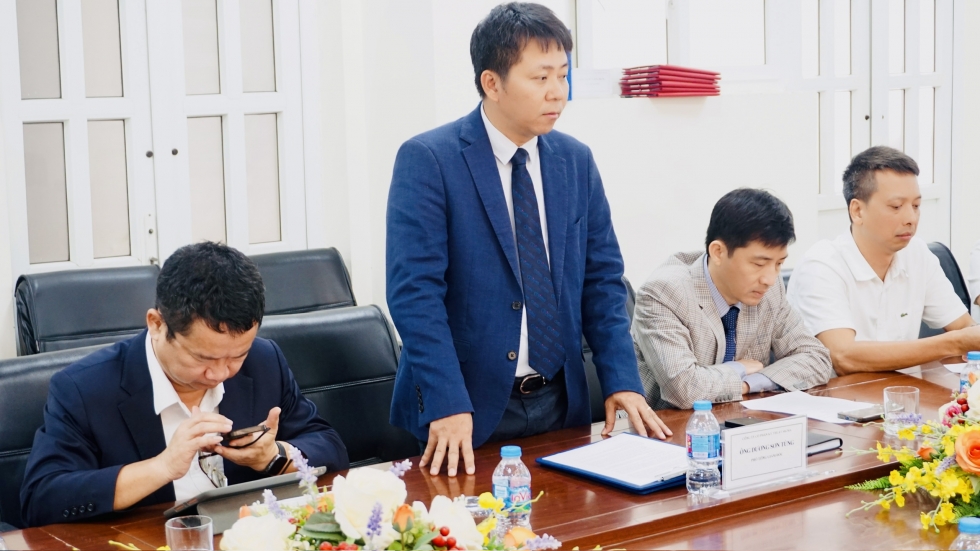
Mr. Duong Son Tung – Deputy General Director of Sigma Engineering JSC delivered a speech at the ceremony
From Lecture Halls to Construction Sites – A Journey that Needs Bridges
From the perspective of someone observing the evolving landscape of education and the labor market over the past two decades, partnerships like the one between Sigma Engineering JSC and Electric Power University serve as vital “bridges” connecting two worlds that have long existed in parallel: academia and industry.
For years, the narrative of “graduates lacking practical skills” or “companies needing to retrain employees” has been all too familiar. Rather than merely identifying the problem, collaborative models like this one move directly toward solutions.
Here, enterprises are no longer external evaluators of educational outcomes but active participants in shaping them from the outset. Likewise, universities are no longer confined within academic frameworks, but open their doors to real-world practice.
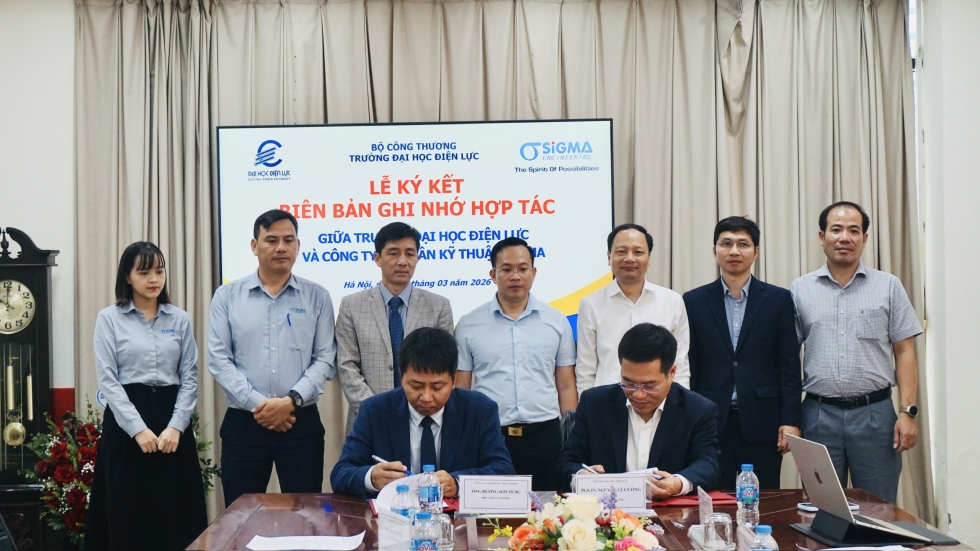
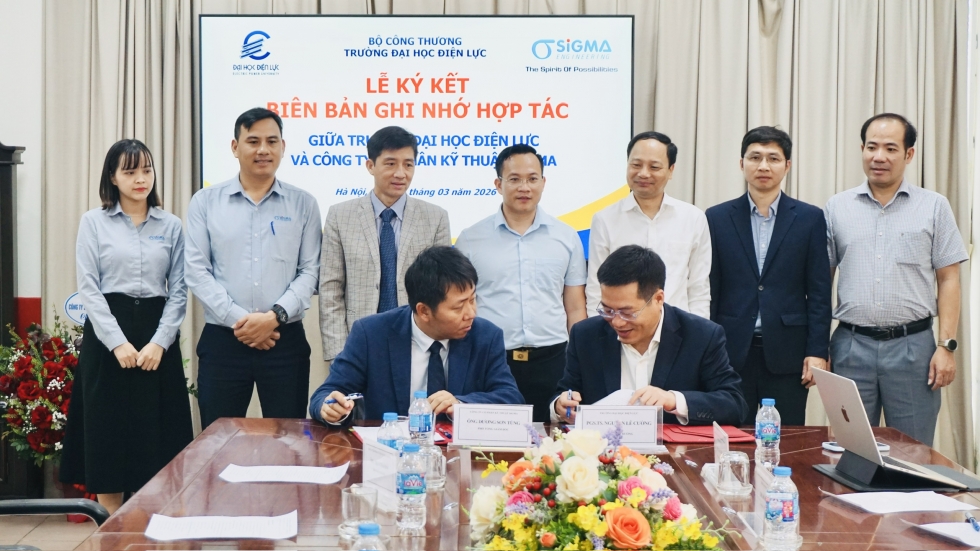
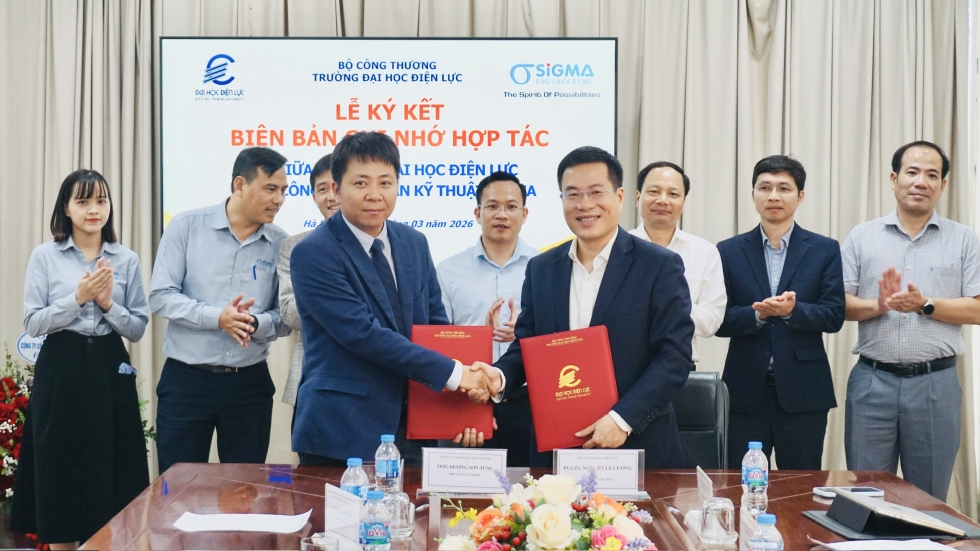
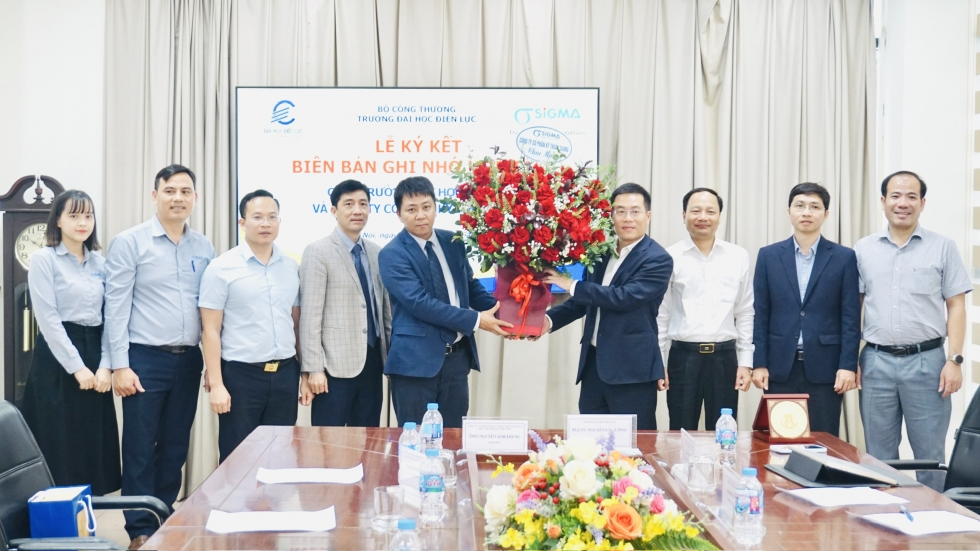
The signing ceremony of the Memorandum of Understanding between Electric Power University and Sigma Engineering JSC concluded successfully and smoothly
An Ending Ceremony, A Beginning Journey
As the ceremony concluded with the signing, gift exchange, and commemorative photos, the hall gradually emptied. Yet what lingered was not the images, but a sense of beginning.
Ultimately, the value of an MOU does not lie in the moment of signing, but in what follows: how many students gain internship opportunities, how many young engineers are recruited, and how many real-world lessons are brought back into the classroom.
Amid the ongoing transformation of energy and industrial development, Vietnam needs more partnerships like this—where knowledge extends beyond theory, and opportunities go beyond promises.
And perhaps one day, at a major construction site, confident young engineers leading projects will trace their journey back to that very morning in March—when a handshake was exchanged not just between two organizations, but between the present and the future.
Other articles
- Yurtec – Sigma: Strengthening Trust, Opening New Horizons (11/09/2026)
- The Senique Hanoi Accelerates Toward Completion: Sigma Marks Key Milestones with 22kV Energization and Water Supply Connection (23/07/2026)
- Sigma Engineering joins the Conference “Hai Phong: Shaping Urban Planning and Leading Future Human Resources” (21/05/2026)
- Sigma Attends the Inauguration and Grand Opening Ceremony of The Marc 88 Office Building Project (07/01/2026)
- The Journey of Connection: When Yurtec and Sigma Continue Writing the Chapter of Sustainable Partnership (10/10/2025)
- Sigma accompanies Newtecons at the groundbreaking ceremony of Westlake Square Hanoi – A green architectural landmark in the heart of the capital (04/08/2025)
- Topping-Out Ceremony of The Marc 88 – An Architectural Icon Embodying the Vietnamese Bamboo Spirit in the Heart of the Capital (16/06/2025)
- The Hanoi Department of Home Affairs Inspection Team Works with Sigma Engineering JSC on Compliance with Labor, Wage, and Social Insurance Laws (09/05/2025)































_thumbcr_130x97.png)





















 Address : 27th Floor, Block A, HUD Tower,
No.37 Le Van Luong Street, Thanh Xuan Ward, Hanoi, S.R Vietnam
 Email : sme@sigma.net.vn
 Tel : (84-24) 3 9288683 | (84-24) 3 9289235
 Fax : (84-24) 3 9288667
http://www.sigma.net.vn
Sigma Engineering JSC
.png)
